Welcome Mat Wisdom
Practical thinking on home operations, maintenance, vendor relationships, and the modern art of keeping life running smoothly.

The Patchwork Home: Why Modern Homeownership Feels More Complex Than Ever
Most of us don't live in Smart Homes. We live in what I like to call the Patchwork Home — built, upgraded, repaired, and replaced one piece at a time. And once you see it, you can't unsee it.
Be Careful What You Wish For: The Smart Home vs. The Resilient Home
The Smart Home promises convenience, automation, and integration. But could greater connectivity create new vulnerabilities? Explore the difference between a Smart Home and a Resilient Home.
The Resilient Home
The Smart Home promises integration. The Patchwork Home reflects reality. But what homeowners truly need is a Resilient Home — one that continues to support them when life doesn't go according to plan.

Why Homes Fall Out of Escrow: The Hidden Cost of Operational Uncertainty
Most escrows don't collapse because of one catastrophic problem. They collapse because uncertainty starts compounding — and operational visibility quietly disappears.

House Manager vs. Fractional Home COO: Why Modern Homes Need Operational Leadership
Most homes don't have a maintenance problem. They have a visibility problem — and modern households increasingly need operational structure, continuity, and leadership to manage the complexity of everyday life.
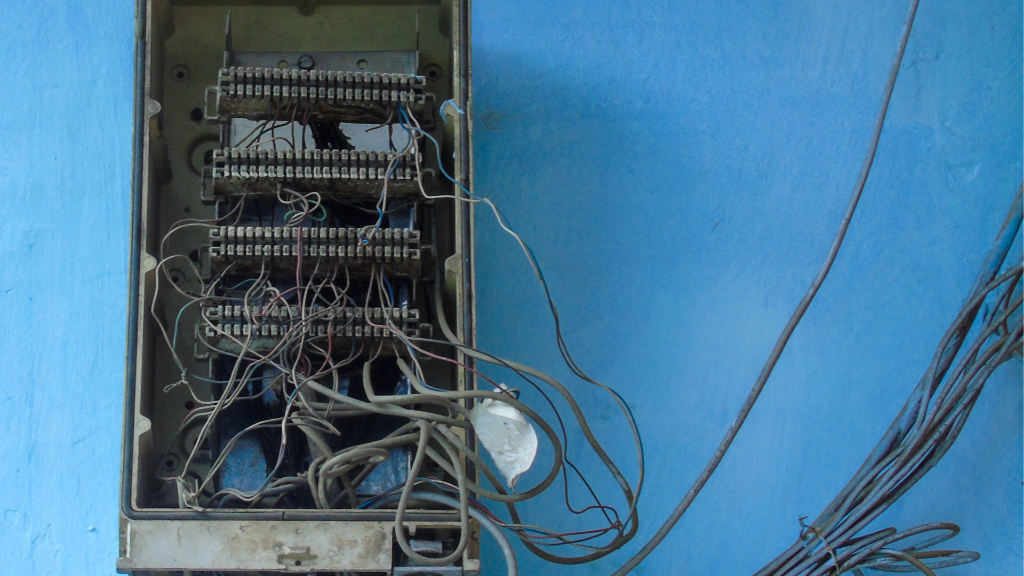
Hope Is Not a Strategy: Why Most Homes Don't Have a Maintenance Problem — They Have a Visibility Problem
Most homeowners are managing complex household systems from memory, stress, and crossed fingers. Here's why operational visibility matters more than ever.
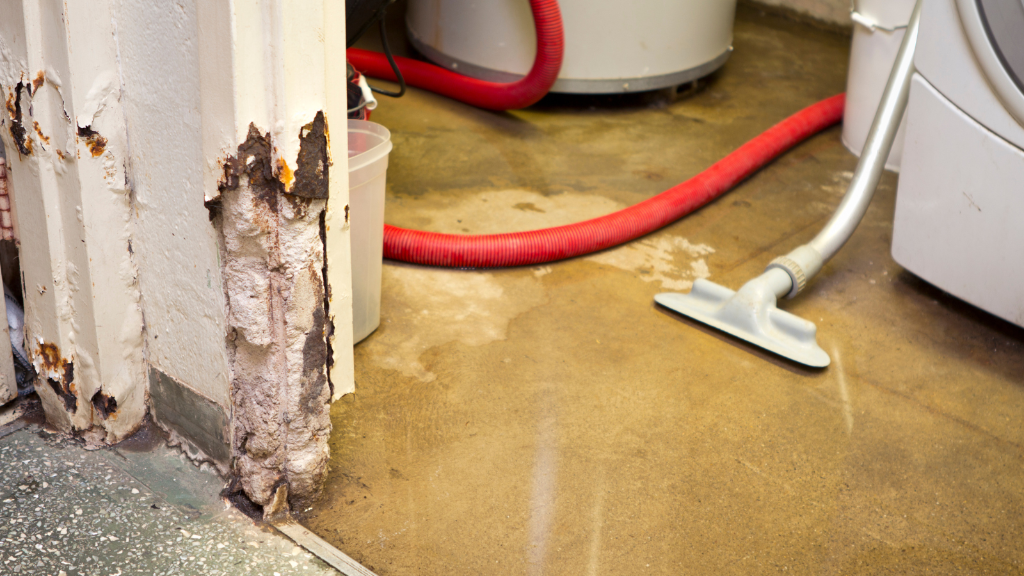
Why Most Homeowners Wait Until Something Breaks
Reactive maintenance costs more than preventive care — and most people know it. So why does it keep happening? The answer has less to do with laziness and more to do with visibility.
The Vendor Continuity Problem Nobody Talks About
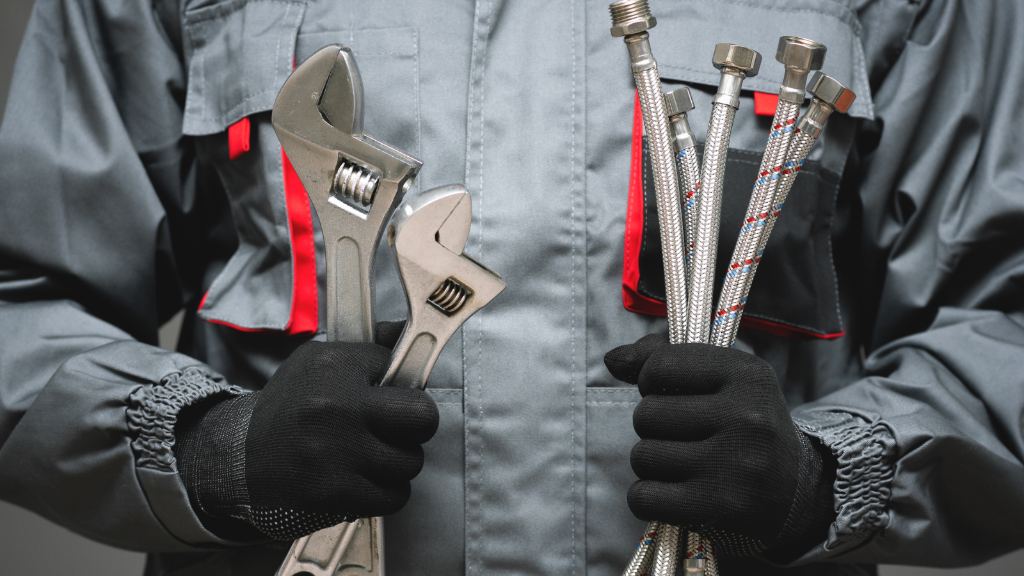
When a great plumber retires or a landscaping crew moves on, most homeowners scramble. Here's how to build continuity before you need it.

What a Fractional Home Manager Actually Does
It's not a housekeeper. It's not a property manager. It's something more useful — a trusted operational partner who keeps the moving pieces organized.

The 12 Home Systems You Should Be Tracking (But Probably Aren't)
From HVAC to irrigation to roof wear, your home is made up of interconnected systems — each with its own lifespan, risks, and maintenance window.

Running a Home When You're Rarely There
Second homes, frequent travel, and busy careers all create the same challenge: how do you keep a home running well when you're not around to manage it?

Green, Yellow, Red: A Simpler Way to Think About Home Risk
The traffic light model for home maintenance isn't about anxiety — it's about clarity. When you can see what's overdue, what's upcoming, and what's current, everything gets easier.

The 15 Things Most Homeowners Forget Before Leaving Town
While people prepare carefully for travel, many homes are quietly left completely unprepared. Modern homes are operational systems — and small issues become expensive emergencies when nobody is watching.

The Small Home Changes That Quietly Make Aging Safer
Successful aging in place usually begins with dozens of small operational decisions made years earlier. The homes that support people well over time are rarely perfect — they are simply intentional.

The Operational Red Flags Buyers Notice Immediately
Buyers are increasingly sensitive to something deeper than paint colors and staging: operational confidence. People want to feel like the home has been cared for — not just cosmetically, but operationally.

The Home Systems Insurance Companies Care About Most
Most major home insurance claims begin with small operational failures — water, trees, drainage, electrical systems, deferred maintenance. Knowing which systems insurers care about most can save you thousands.

The $200 Maintenance Item That Prevents a $20,000 Problem
Most expensive home emergencies begin quietly. A small drip. A clogged vent. A failing seal. A neglected filter. And because the issue feels minor, it gets deferred — until it isn't minor anymore.

Your Home Has Seasons Too
Most people think seasonally about clothing, not homes. But homes experience seasonal stress constantly — heat, cold, rain, wind, sun exposure. Operationally healthy homes adapt seasonally.

The Hidden Operational Burden Adult Children Inherit
Most conversations about supporting aging parents focus on medical care and finances. But there's another layer that quietly appears: home operations. Who knows the vendors, the warranties, the irrigation controller?

Preparing Your Home for a Puppy Without Losing Your Mind
Puppies change homes quickly — not because they're destructive, but because they're curious. Smart operational modifications make life smoother for everyone from day one.

How to Talk to Neighbors About Shared Fence Repairs Without Creating Drama
Few home conversations become emotional faster than shared fences. They represent boundaries, privacy, money, and responsibility. Here's how to navigate it with calm and clarity.

The Home Upgrades That Actually Pay You Back
Not every home improvement creates real value. The best upgrades improve operational efficiency, reduce maintenance burdens, lower risk, and support long-term durability — not just temporary excitement.